

In this guide
Body mass index is calculated from weight relative to height. It offers a quick screening measure for adults, but it does not directly measure body fat or diagnose a health condition.
The U.S. Centers for Disease Control and Prevention explicitly describes adult BMI as a screening measure and says it should be considered alongside medical history, health behaviors, physical findings, and laboratory findings.
U.S. Centers for Disease Control and PreventionUse the correct inputs and population
Enter current height and weight using the selected unit system. The CDC adult calculator is intended for adults age 20 and older; children and teens require age- and sex-specific assessment rather than the adult categories.
U.S. Centers for Disease Control and PreventionIn metric units, BMI equals weight in kilograms divided by height in meters squared. Small height-entry errors can noticeably change the result because height is squared.
Understand the adult categories
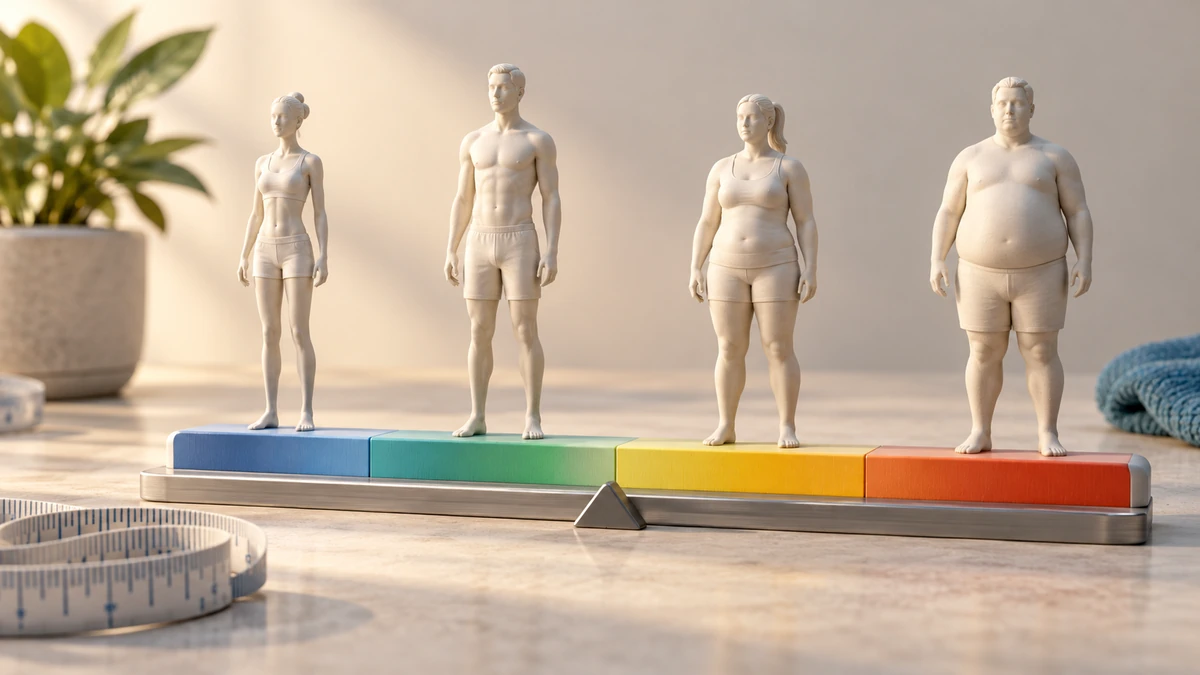
The CDC lists adult categories as underweight below 18.5, healthy weight from 18.5 to 24.9, overweight from 25.0 to 29.9, and obesity at 30.0 or greater. These are screening categories, not individualized conclusions.
U.S. Centers for Disease Control and PreventionBMI does not distinguish muscle from fat or describe fat distribution. People with the same BMI can have different body composition, health history, and risk profile.
- Use BMI as one data point.
- Do not apply adult cutoffs to children or teens.
- Discuss unexpected or concerning results with a qualified healthcare professional.
Avoid false precision
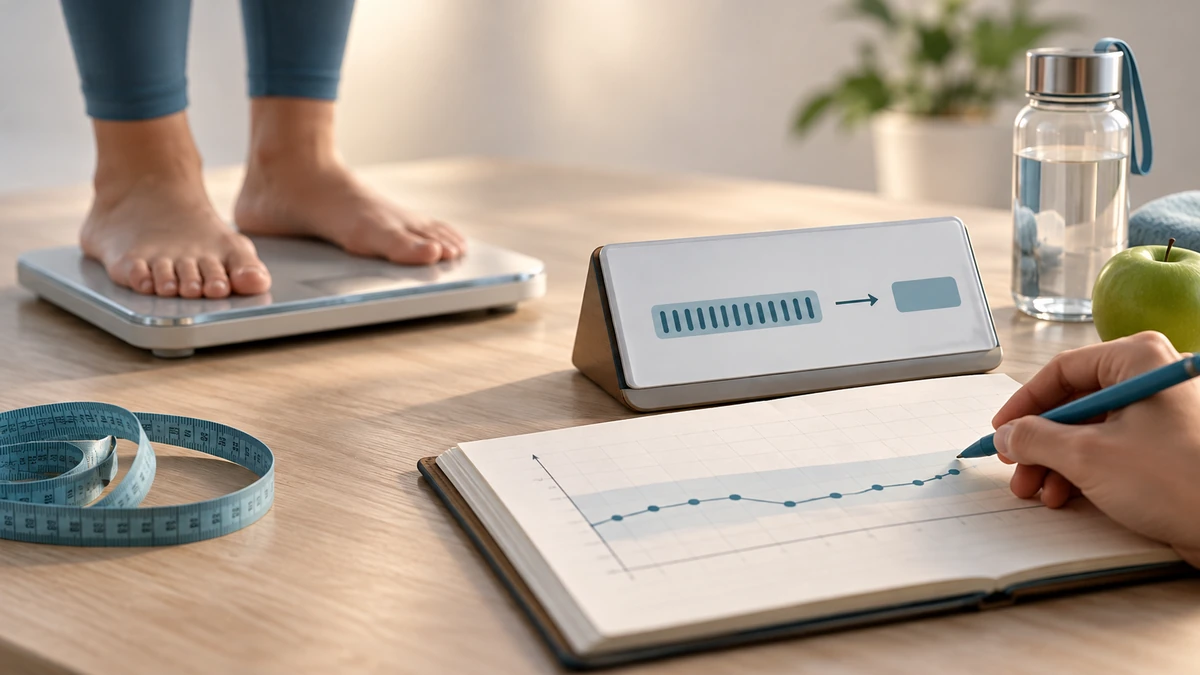
A result displayed to many decimal places is not necessarily more meaningful. Round sensibly and focus on the broader clinical context and measurement trend rather than tiny day-to-day changes.
A calculator is not a substitute for professional medical advice. Seek clinical guidance for decisions about weight, nutrition, exercise, medication, pregnancy, eating disorders, or other health conditions. If repeated measurements are being tracked, use the same reliable scale and measurement method so changes are more comparable.
Key takeaways
- Adult BMI is a screening measure, not a diagnosis.
- Use adult categories only for adults age 20 and older.
- Interpret the number with broader health information and professional advice when needed.
Sources
References for factual claims and further reading.
- 01
U.S. Centers for Disease Control and Prevention
Adult BMI Calculator
Educational information only. Follow the requirements of the receiving organization, product label, applicable standard, or qualified professional for your situation.